
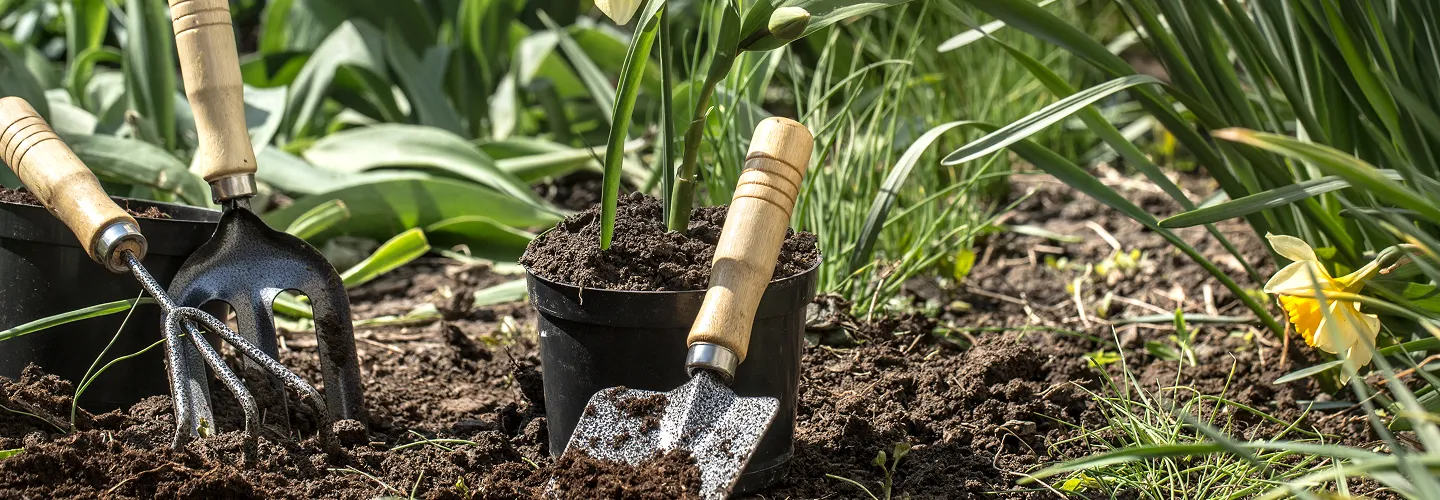
Jamestown Plant Removal Services
Choose our plant removal experts for safe, thorough, and eco-friendly solutions that restore your property’s beauty and value—trusted by Jamestown homeowners for hassle-free results.
Get a Free QuoteOur Jamestown Landscaping & Yard Care Services
When to Schedule Plant Removal in Jamestown, Rhode Island – Seasonal Guide
In Jamestown, Rhode Island, timing your plant removal is crucial for both the health of your landscape and compliance with local guidelines. The optimal periods for plant removal typically fall in late fall after the first frost or early spring before new growth begins. These windows are ideal because the soil is more workable, and plants are either dormant or just emerging, minimizing stress on your yard and making removal more efficient. Jamestown’s coastal climate, with its humid summers and cool, breezy winters, means that soil conditions can vary significantly between neighborhoods like Shoreby Hill and the Beavertail area. Proximity to Narragansett Bay often results in higher humidity and salt exposure, which can affect both plant health and the ease of removal. It’s also important to consider local frost dates—usually mid-October to early November—as removing plants after the first frost can help prevent the spread of pests and diseases. Additionally, areas with dense shade, such as those near Fort Wetherill State Park, may require different timing due to slower soil drying and increased moss or fungal growth. For more information on local environmental guidelines, visit the Sudbury municipal resource.
Local Factors to Consider for Plant Removal in Jamestown
- Tree density and canopy coverage
- Terrain slope and soil drainage
- Average precipitation and drought risk
- Proximity to saltwater and wind exposure
- Municipal restrictions and neighborhood association rules
- Frost dates and seasonal temperature shifts
Benefits of Plant Removal in Jamestown
Expert Landscaping Services
Efficient Plant Removal
Improved Curb Appeal
Eco-Friendly Disposal
Customized Solutions
Licensed and Insured Team
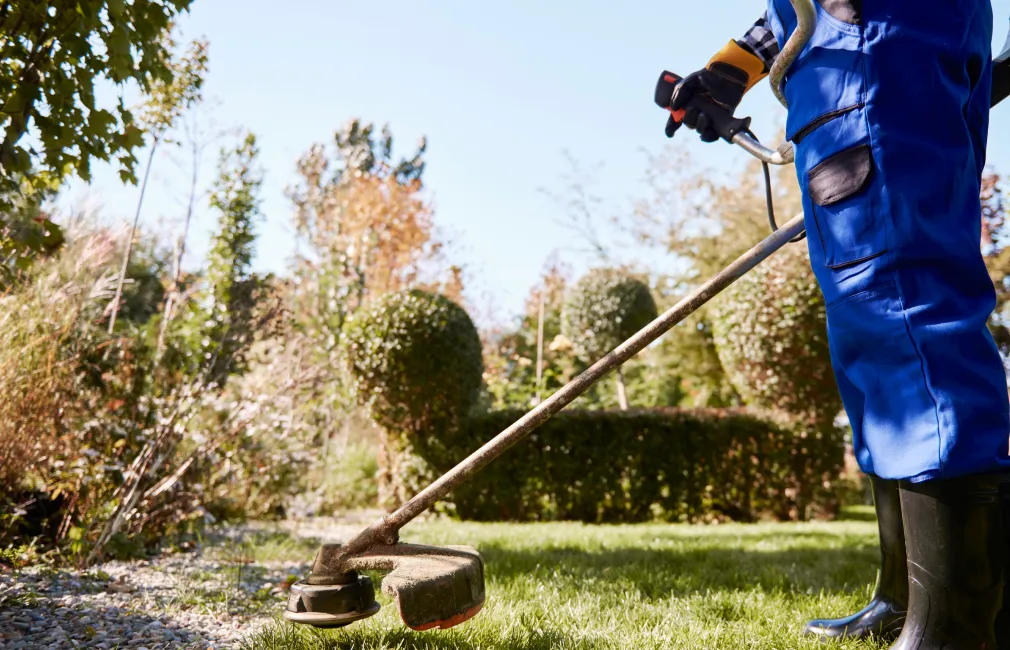
Jamestown Plant Removal Types

Tree Removal
-
Shrub Removal
-
Stump Grinding
-
Invasive Species Removal
-
Root System Extraction
-
Hedge Clearing
-
Overgrown Vegetation Removal
Our Plant Removal Process
Site Evaluation
Preparation and Safety Measures
Plant Extraction
Debris Removal
Site Restoration
Why Choose Jamestown Landscape Services
-
Jamestown Homeowners Trust Us
-
Comprehensive Lawn Maintenance
-
Reliable Seasonal Cleanups
-
Efficient Snow Removal
-
Competitive Pricing
-
Professional and Courteous Team
-
Satisfaction Guarantee
Plant Removal and Debris Disposal Procedures in Jamestown: Municipal Coordination and Compliance
Plant removal in Jamestown is governed by specific municipal procedures to ensure safe, legal, and environmentally responsible outcomes. The Department of Public Works oversees debris collection, with yard waste pickup scheduled every Thursday from April through November. Residents must use biodegradable bags or reusable bins (32-gallon maximum) for plant debris; plastic bags and branches over 4 inches in diameter are prohibited. For large-scale removals or projects near public rights-of-way, a permit from the Building & Zoning Office is required, with a typical review period of 5-10 business days and an application fee of $50. All plant material must be staged curbside by 7:00 AM on collection day. Coordination with municipal staff is essential for projects near public infrastructure or conservation areas.
Jamestown RI Department of Public Works
93 Narragansett Avenue, Jamestown, RI 02835
Phone: (401) 423-7193
Official Website: Jamestown RI Department of Public Works
Soil Series and Site Conditions Affecting Plant Removal in Jamestown
Jamestown’s landscape is shaped by glacial till soils, primarily the Newport and Bridgehampton series, which are moderately acidic (pH 5.5-6.5) and often poorly drained. These soils can present challenges for plant removal, especially in areas with a high water table or compacted urban fill. Removal projects should account for:
- Soil compaction, requiring mechanical loosening to a depth of 6-8 inches
- Seasonal water table at 12-18 inches, increasing risk of root disturbance
- pH testing before replanting or restoration (soil test kits available through University of Rhode Island Cooperative Extension, $15-25 per sample)
- Use of tracked equipment to minimize rutting in wet conditions Researching local soil characteristics using the USDA Web Soil Survey is recommended for site-specific planning.
Environmental Protections: Wetlands, Buffer Zones, and State Compliance in Jamestown
Plant removal near Jamestown’s wetlands, streams, and conservation lands is subject to strict environmental regulations. A 25-foot no-disturbance buffer is required from all delineated wetlands, and a 50-foot setback applies to vernal pools and protected water bodies. The Rhode Island Environmental Rights Act and the Clean Water Act prohibit discharge of plant debris or soil into storm drains or waterways. Jamestown’s MS4 permit, administered by the Rhode Island Department of Environmental Management, mandates that all plant material be contained and not left on impervious surfaces. For projects in sensitive areas, coordination with the Conservation Commission is required, and additional review may be necessary for work within conservation easements.
Jamestown RI Conservation Commission
93 Narragansett Avenue, Jamestown, RI 02835
Phone: (401) 423-9800
Official Website: Jamestown RI Conservation Commission
Equipment Operation, Safety Standards, and Noise Ordinances for Plant Removal in Jamestown
All plant removal activities in Jamestown must comply with municipal noise ordinances and safety protocols. Equipment operation is permitted during the following hours:
- Monday-Friday: 7:00 AM - 7:00 PM
- Saturday: 8:00 AM - 6:00 PM
- Sunday and holidays: Prohibited Operators must use commercial-grade equipment with functioning mufflers, and noise levels must not exceed 85 decibels at property lines. Personal protective equipment (PPE) is mandatory, including:
- ANSI Z87.1 safety glasses
- Hearing protection for equipment over 85 dB
- Steel-toed boots and cut-resistant gloves A minimum 15-foot clearance from overhead utilities is required, and all work within 50 feet of public roads must include traffic control measures. The Department of Public Works provides guidance on safety and traffic control for large-scale removal projects.
What Neighborhoods Do We Serve Throughout Jamestown, RI?
- Jamestown Village: Central business and residential district with mature landscaping, compacted urban soils, and narrow streets requiring careful equipment staging.
- Shoreby Hill: Historic neighborhood with large lots, mature trees, and proximity to wetlands, necessitating strict buffer compliance and careful debris management.
- East Passage: Coastal area with sandy soils, high water table, and salt exposure, requiring specialized removal techniques and equipment suited for wet conditions.
- Jamestown Shores: Suburban development with variable lot sizes, moderate tree density, and HOA guidelines affecting plant removal timing and debris placement.
- Beavertail: Conservation-focused area near Beavertail State Park, with rocky soils, protected habitats, and access limitations for heavy equipment.
- North End: Rural properties with open fields, seasonal drainage issues, and increased risk of soil compaction during wet months.
- West Ferry: Mixed-use area with older infrastructure, overhead utilities, and narrow access points, requiring additional safety precautions and traffic coordination.
Climate and Seasonal Timing for Plant Removal in Jamestown’s Coastal Zone
Jamestown is located in USDA Hardiness Zone 6b-7a, with a coastal microclimate moderated by Narragansett Bay. Optimal timing for plant removal is early spring (April 1 - May 15) or late fall (October 15 - November 30), when soil temperatures are between 50-65°F and before the first hard frost (typically late October). Avoid removal during June-August due to heat stress and increased soil compaction risk. Monitor local weather conditions using the National Weather Service Boston/Norton office for rainfall and wind advisories. For replanting or restoration, select native species adapted to coastal conditions, such as:
- Black cherry (Prunus serotina)
- Bayberry (Myrica pensylvanica)
- Switchgrass (Panicum virgatum) Consult the USDA Plant Hardiness Zone Map for additional guidance on species selection and timing.